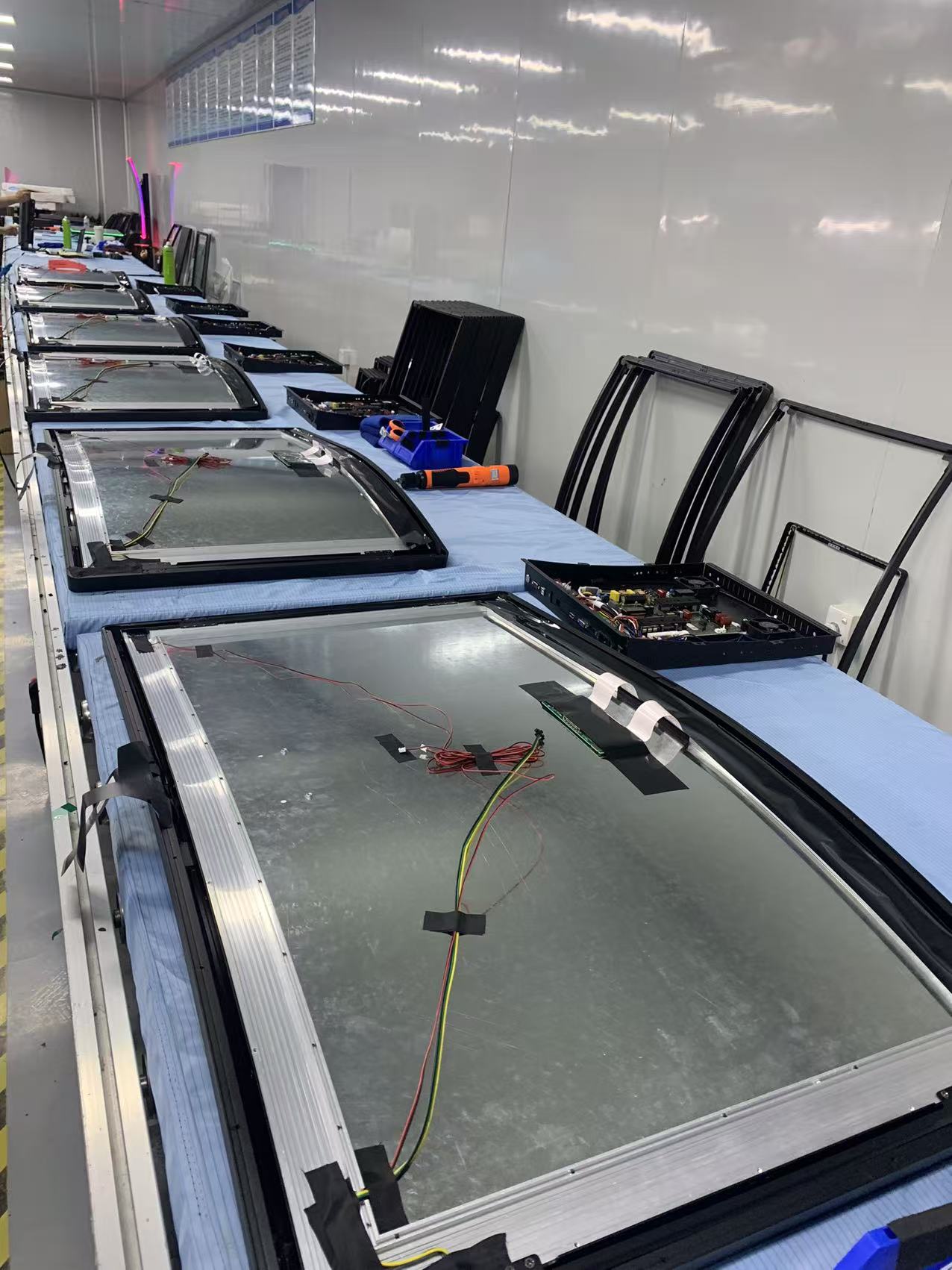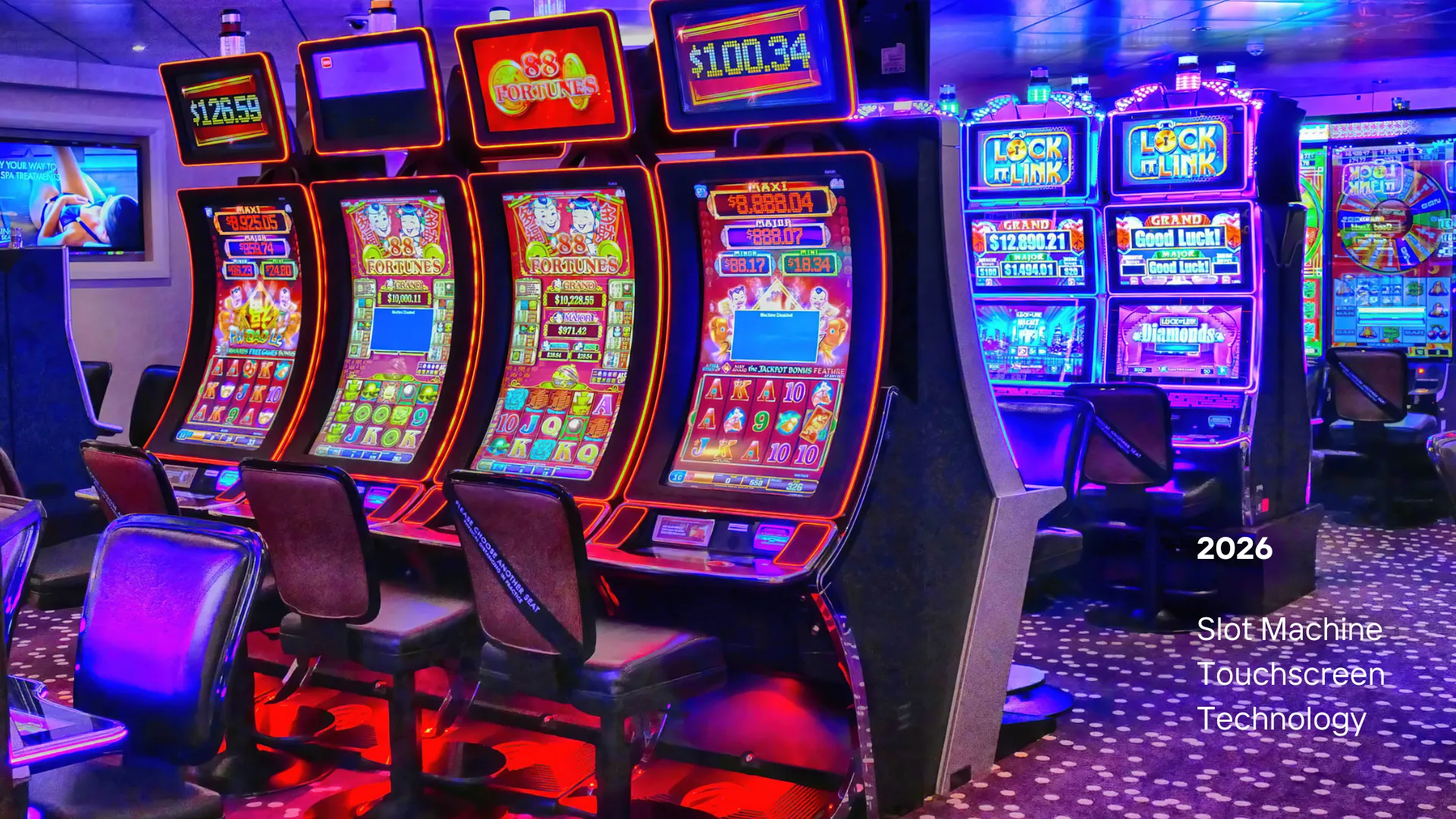








Why are modern casino equipment manufacturers increasingly choosing capacitive touchscreens over traditional mechanical buttons? This article explores the practical reasons behind this shift, including maintenance costs, user experience improvements, design flexibility, and operational advantages. Learn why capacitive touchscreens have become the preferred interface solution for slot machines and gaming equipment in today's casino environments.
Traditional casino slot machines relied heavily on mechanical buttons for player interaction. However, the gaming industry has witnessed a significant shift toward capacitive touchscreen interfaces in recent years. This transition isn't just about following technology trends—it's driven by real operational needs, cost considerations, and player expectations. Understanding why capacitive touchscreens are preferred over buttons helps casino operators make informed decisions about their equipment investments.
From reducing maintenance costs to enabling dynamic game interfaces, capacitive touchscreens offer tangible benefits that mechanical buttons simply cannot match. This article examines the practical reasons why modern casino equipment manufacturers and operators are making this switch.
The Real Cost of Mechanical Buttons in Casino Environments
One of the most compelling reasons for switching to capacitive touchscreens is the hidden cost of maintaining mechanical buttons in high-traffic casino environments:
Maintenance and Replacement Costs
Mechanical buttons face constant wear and tear in casino settings:
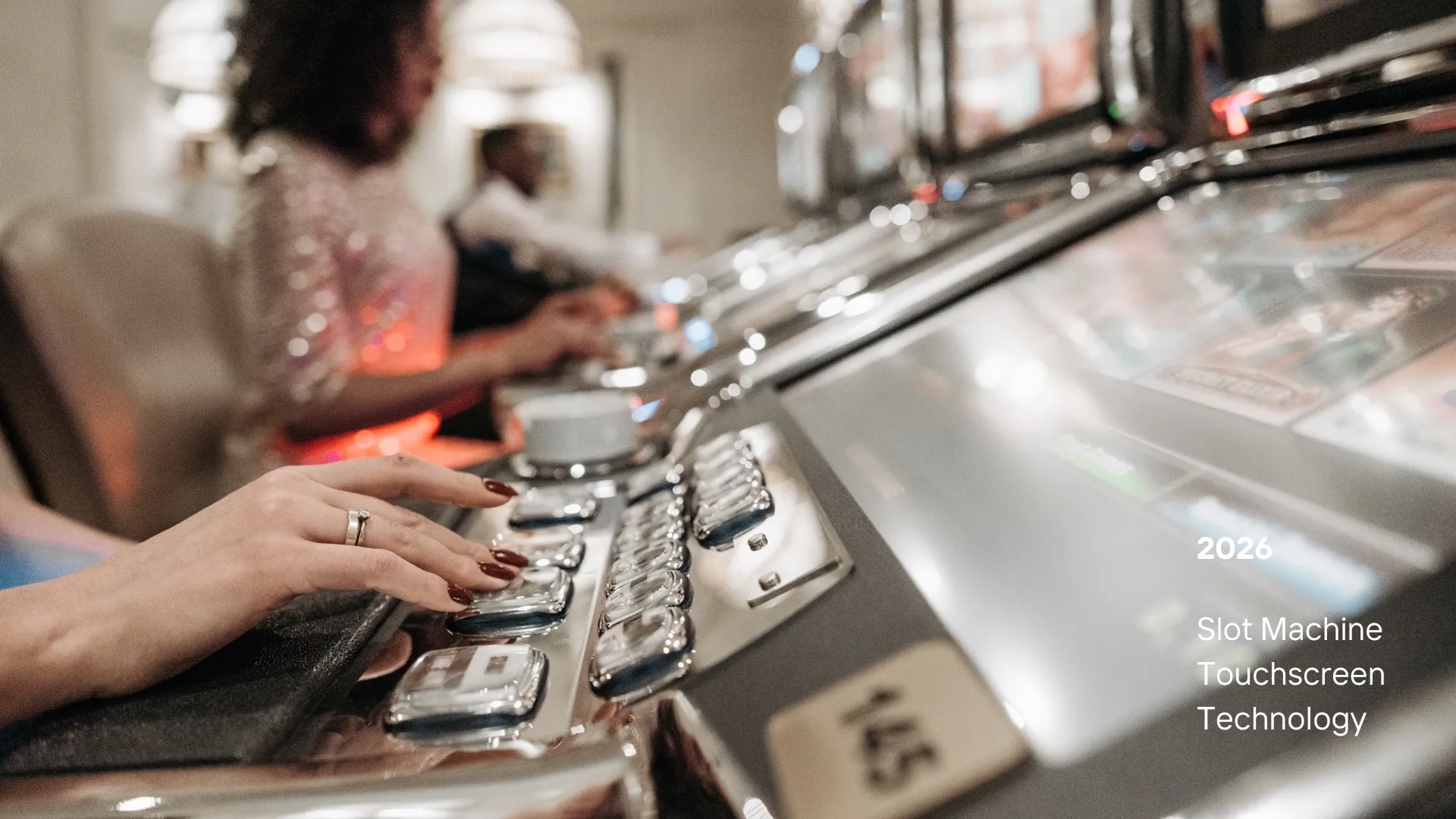
- Physical Wear: Buttons can fail after 1-3 million actuations, requiring frequent replacement in busy casinos
- Debris Accumulation: Food particles, liquids, and dust can jam button mechanisms, causing malfunctions
- Labor Costs: Technicians must physically access each button for repair, increasing service time and costs
- Downtime Impact: Button failures can take machines offline for hours, directly impacting revenue
- Replacement Parts: Individual button assemblies cost $15-50 each, and machines may have 20-40 buttons
Capacitive Touchscreen Durability Advantages
In contrast, capacitive touchscreens offer superior durability:
- No Moving Parts: Eliminates mechanical failure points entirely
- Sealed Surface: Glass surface prevents debris from entering the system
- Extended Lifespan: Touchscreens rated for 50,000+ hours of continuous operation
- Reduced Service Calls: Fewer mechanical components mean fewer failure points
- Lower Total Cost of Ownership: While initial cost may be higher, long-term maintenance costs are significantly lower
Design Flexibility and Game Innovation
Capacitive touchscreens enable game designers to create more engaging and flexible gaming experiences:
Dynamic Interface Adaptation
- Contextual Controls: Button layouts can change based on game state, showing only relevant options
- Multi-Game Support: One machine can host multiple games without physical button limitations
- Customizable Layouts: Operators can adjust button positions and sizes for different player preferences
- Visual Feedback: Touch areas can highlight, animate, or provide haptic feedback for better user experience
- Multi-Language Support: Button labels can instantly change language without hardware modifications
Space Efficiency
Touchscreens eliminate the need for dedicated button panels:
- Larger Display Area: More screen real estate for game graphics and content
- Compact Cabinet Design: Reduced machine footprint allows more machines per floor
- Cleaner Aesthetics: Sleek, modern appearance appeals to younger demographics
- Flexible Mounting: Touchscreens can be integrated into various cabinet configurations
User Experience and Player Engagement
Modern players, especially younger demographics, expect touchscreen interfaces:
Familiarity and Intuitiveness
- Smartphone Generation: Players are already familiar with capacitive touch from mobile devices
- Intuitive Interaction: Direct touch-to-action feels more natural than pressing buttons
- Multi-Touch Capabilities: Support for gestures like pinch, swipe, and multi-finger interactions
- Visual Clarity: On-screen controls are clearly labeled and contextually relevant
- Accessibility: Larger touch targets and adjustable sizes benefit players with mobility issues

Enhanced Gaming Features
- Interactive Bonus Rounds: Touchscreen enables drag-and-drop, drawing, and gesture-based mini-games
- Real-Time Feedback: Immediate visual and haptic responses to player actions
- Progressive Disclosure: Show controls only when needed, reducing cognitive load
- Personalization: Remember player preferences for button sizes and layouts
Operational Advantages for Casino Operators
Beyond player experience, touchscreens offer significant operational benefits:
Remote Management and Updates
- Software Updates: Change button functions and layouts remotely without hardware changes
- Analytics Integration: Track which areas players touch most for game optimization
- Diagnostic Capabilities: Built-in touch diagnostics help identify issues before failures occur
- Configuration Management: Standardize or customize interfaces across multiple machines easily
Hygiene and Sanitation
Especially important in post-pandemic casino environments:
- Easy Cleaning: Smooth glass surface is easier to sanitize than button crevices
- No Crevices: Flat surface eliminates areas where bacteria and viruses can accumulate
- Touch-Free Options: Some systems support proximity detection for reduced physical contact
- Visual Cleanliness: Smudges are visible and easily cleaned, unlike hidden button contamination
Technical Reliability Comparison
Let's examine the practical reliability differences:
| Factor | Mechanical Buttons | Capacitive Touchscreen |
|---|---|---|
| Expected Lifespan | 1-3 million actuations 2-5 years typical |
50,000+ hours 5-10 years typical |
| Failure Points | Spring mechanism, contacts, physical wear, debris |
Glass surface damage, controller failure (rare) |
| Maintenance Frequency | Monthly cleaning, quarterly replacements |
Quarterly cleaning, annual diagnostics |
| Repair Complexity | Individual button replacement, wiring, calibration |
Full unit replacement, plug-and-play installation |
| Environmental Sensitivity | Susceptible to liquids, dust, temperature |
IP54+ rated, temperature stable |
| Cost per Interaction | $0.0001-0.0005 (wear-based) |
$0.00001-0.00002 (negligible wear) |
Common Concerns and Misconceptions
Some operators hesitate to switch due to misconceptions. Let's address the real concerns:
"Buttons Feel More Reliable"
Reality: While buttons provide tactile feedback, modern touchscreens offer:
- Haptic feedback technology that simulates button press sensation
- Visual and audio feedback that's actually more informative
- Higher accuracy rates (99.9%+ vs 95-98% for worn buttons)
"Touchscreens Are Too Expensive"
Reality: Total cost of ownership analysis shows:
- Initial cost: Touchscreens are 20-30% more expensive upfront
- 5-year TCO: Touchscreens save 40-60% due to reduced maintenance
- Revenue impact: Better player experience can increase play time by 15-25%
"Older Players Prefer Buttons"
Reality: Studies show:
- Players adapt to touchscreens within 2-3 sessions
- Larger touch targets actually benefit older players
- Adjustable interface sizes accommodate different needs
- Modern players (under 50) strongly prefer touchscreens
Implementation Considerations
When transitioning to capacitive touchscreens, consider these practical factors:
Screen Selection Criteria
- Brightness: Minimum 500 nits for casino floor visibility
- Touch Points: 10-point multi-touch for complex interactions
- Response Time: <10ms for immediate feedback
- Durability: 7H+ hardness glass for scratch resistance
- Environmental Rating: IP54 or higher for dust and moisture protection
Integration Requirements
- Software Compatibility: Ensure game software supports touch input
- Calibration Tools: Access to calibration software for maintenance
- Mounting Systems: Proper mounting to prevent vibration issues
- Backup Plans: Consider hybrid systems during transition period
Real-World Case Studies
Major Casino Chain - Maintenance Cost Reduction
A major Las Vegas casino chain reported:
- 60% reduction in button-related service calls after switching to touchscreens
- $45,000 annual savings per 100 machines in maintenance costs
- 15% increase in average play time per session
- Reduced machine downtime from 3.2% to 0.8%
Regional Casino - Player Satisfaction Improvement
A regional casino in the Midwest found:
- Player satisfaction scores increased from 7.2/10 to 8.6/10
- Younger demographic (21-40) visit frequency increased 28%
- Complaints about "sticky buttons" eliminated entirely
- Faster game playthrough rates due to more responsive interface
Conclusion
The shift from mechanical buttons to capacitive touchscreens in casino equipment is driven by practical business considerations, not just technology trends. The combination of lower maintenance costs, improved player experience, design flexibility, and operational advantages makes touchscreens the clear choice for modern casino operators.
While the initial investment may be higher, the total cost of ownership over 5-7 years typically shows significant savings. More importantly, touchscreens enable game innovation, improve player engagement, and reduce operational headaches that mechanical buttons create in high-traffic casino environments.
For casino operators considering this transition, the question isn't whether to switch, but when and how to implement touchscreen technology effectively. The benefits are clear, and the industry trend is unmistakable: capacitive touchscreens are the future of casino equipment interfaces.